


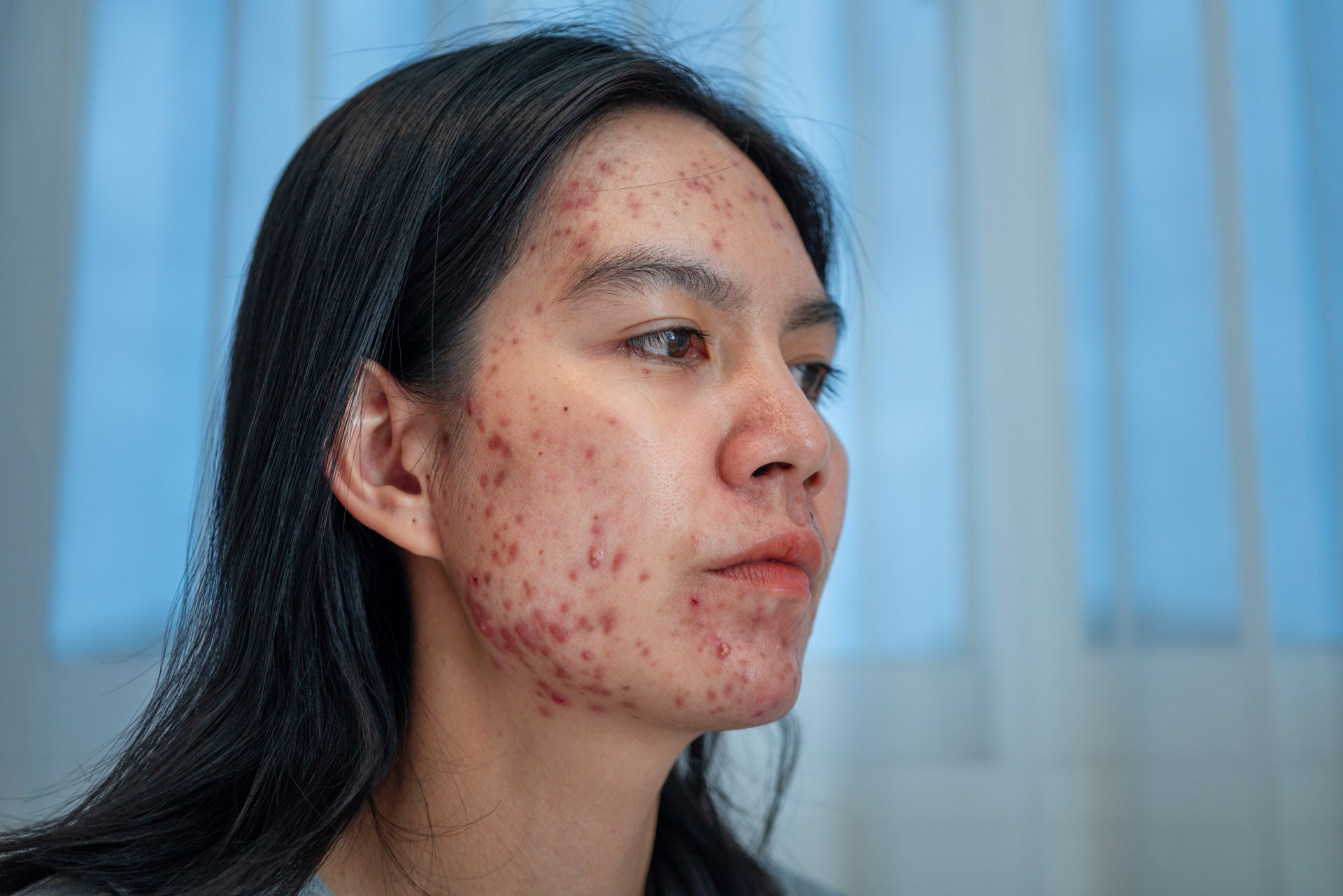
Most people have an acne breakout at least once in their lives. Nevertheless, many factors can cause this breakout, as every person’s skin is unique. Knowing the underlying causes of a breakout is essential to properly care for the skin and treat any breakouts that occur.
Closed comedones and fungal acne are two common types of acne. They look very similar, but the underlying causes are different. As a result, a person must know which treatment to use to see the best results. What should a person know about fungal acne vs closed comedones?
Fungal Acne
Fungal acne is actually an infection of the hair follicles of the skin. This infection leads to small bumps forming. The disease is caused by the yeast Malassezia. When this yeast overgrows, it can enter hair follicles, leading to fungal acne.
People who sweat profusely, those who spend significant time in hot, humid environments, and individuals with skin occlusions are at higher risk of fungal acne. Antibiotic and steroid use can also lead to a fungal acne outbreak. Men and women must learn their triggers and avoid them to prevent future outbreaks.
Itchy bumps are a hallmark of fungal acne. The bumps tend to be uniform in shape and look like whiteheads. Some people even say the bumps burn. Doctors might misdiagnose fungal acne as acne vulgaris, but fungal acne tends to persist for years. If other treatments haven’t worked, the doctor should consider this as the underlying cause of the breakouts.
Fungal acne commonly appears on the face. A person might also find their upper back and shoulders break out or the back surfaces of their arms. The chest and neck are other areas where a breakout might occur, and a person of any age or gender can have an outbreak, but they are more common in men and adolescents. Topical and oral antifungal medications can help address outbreaks and reduce the risk of future recurrences.
Closed Comedones
Most people know closed comedones as whiteheads. These lesions occur when an oil gland or hair follicle becomes clogged with dead skin cells, bacteria, and excess oil. When these oils build up in the gland or follicle, they form a raised, white, or skin-colored bump.
Whiteheads are different from blackheads in that they are not exposed to the air. They don’t undergo oxidation, so they don’t darken. Hair follicles shed dead cells, which are then carried on the surface of the skin by an oily substance known as sebum. When the body overproduces dead skin cells and sebum, whiteheads occur. Hormonal fluctuations, certain skin care products, and genetics may all increase a person’s risk of developing whiteheads.
Whiteheads are small, skin-colored or white bumps that are neither painful nor inflamed. They commonly appear on the nose, chin, and forehead, and some people experience outbreaks on the upper back or chest.
Treating whiteheads involves using topical products such as salicylic acid or retinoids to reduce oil production, increase cell shedding, and exfoliate the skin. Individuals should regularly clean their skin, gently exfoliate, and avoid products that clog pores to reduce the risk of whiteheads.
Whiteheads occur when the body overproduces sebum, which traps dead skin cells and clogs pores. Topical treatments are very effective in addressing this issue. Fungal acne, in contrast, is an infection that requires treatment with medication. Understanding this makes it easy to address any blemishes that appear quickly and effectively.

